Think with your feet
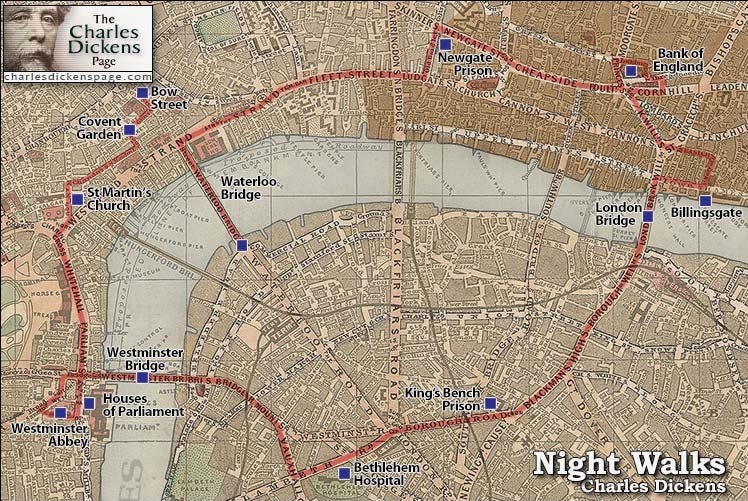
Charles Dickens fought insomnia and writer’s block with what his friends called “violent walking”. Twenty to thirty miles on his feet, around London. He’d arrive home cured.
Darwin built a quarter mile circuit around his house. He called it his “thinking path”. He’d pile up stones at the start of his walk and kick one off for each lap, so he could count his laps without it interrupting his thinking.

Every afternoon in the Vienna woods, one man marched with a pencil and a sketchbook. He composed the sixth symphony out there: Beethoven.
Think with your hands
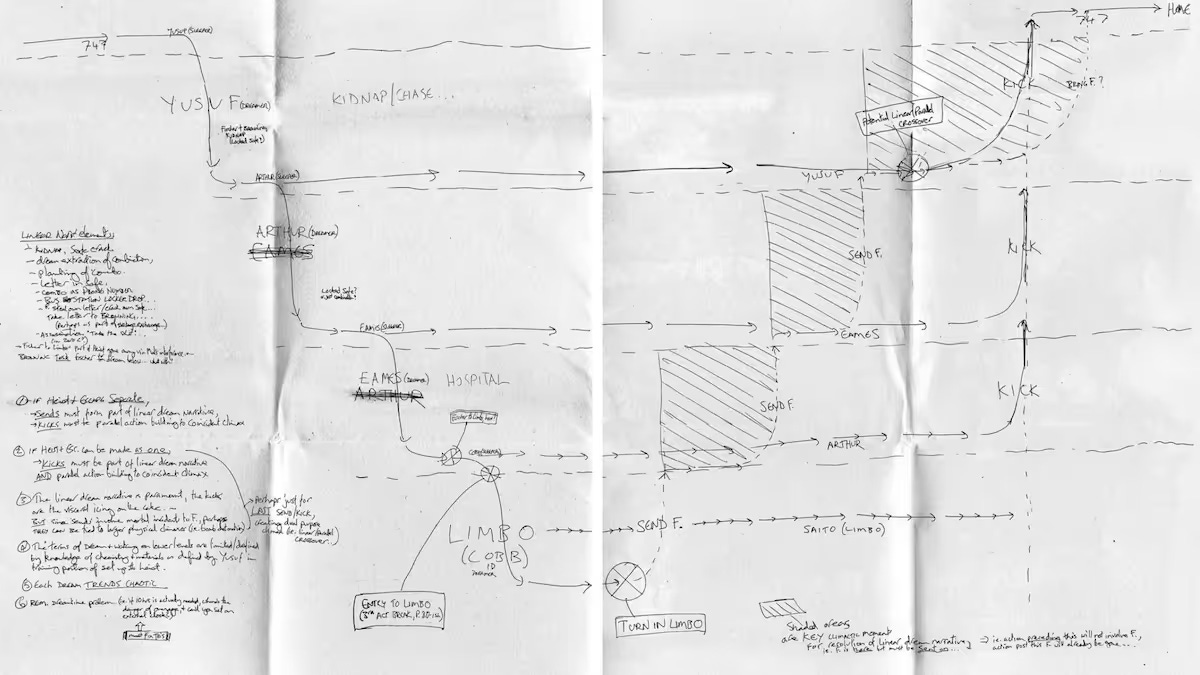
When Christopher Nolan was working on the plot of Inception, he drew the entire five-part dream sequence on paper.
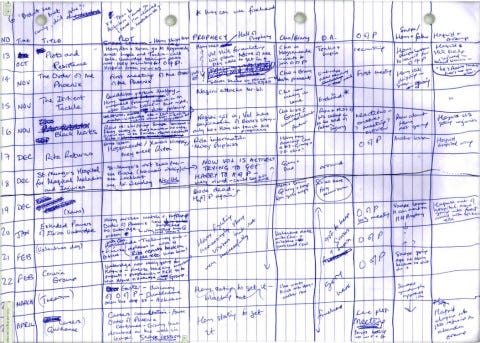
J.K. Rowling drew out the plot of Harry Potter and the Order of the Phoenix into a spreadsheet.
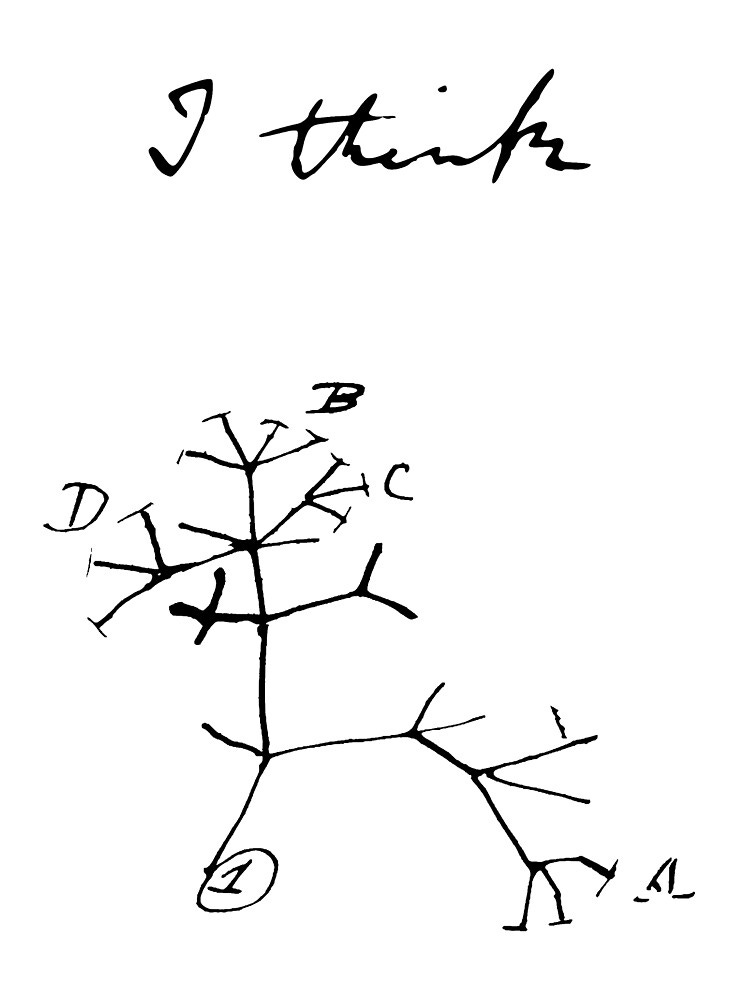
Back to Charles Darwin. In 1837, he opened his notebook and wrote two words: “I think”. He then gave up on words, and drew a branching tree of species splitting from a common ancestor. The first picture of evolution.
Think with your mouth
Go to the bottom of Albert Einstein’s paper on Special Relativity. You’ll see he only thanks one person: His best friend Michele Besso, not a professional physicist, but an engineer he called the best sounding board in Europe.
Einstein spent an afternoon talking the problem out loud to Besso in Bern. Einstein came back the next day, and before Besso could say hello, Einstein said: “Thank you. I’ve solved it”. Five weeks later, his paper was finished.
C.S. Lewis and J.R.R. Tolkien didn’t write Narnia and Lord of the Rings alone in a room without talking it out loud. Every Tuesday, the two would meet up at The Eagle and Child pub in Oxford for a pint. Every Thursday, they had a writers club at Madgalen College, where a writer would read a draft out loud and the room tore into it.

What is happening here?
Moving a thought out of your head — through your feet, your hands, your mouth — acts like a filtration system, removing the vague mud from your thinking.
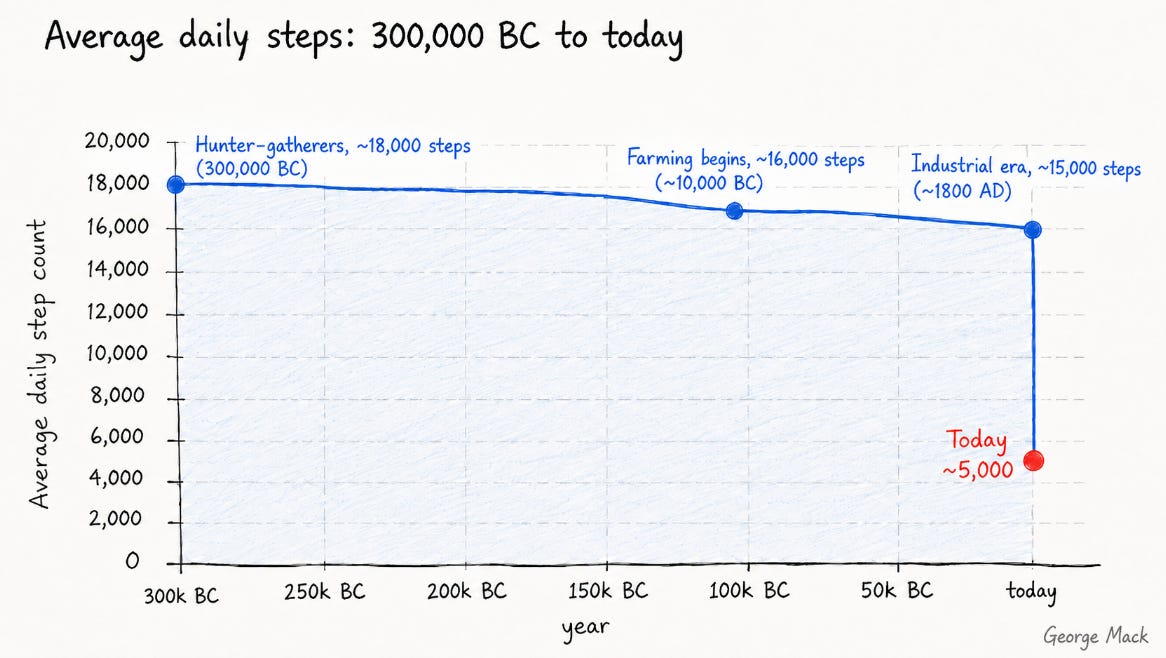
Let’s start with thinking with the feet. For most of human history, it’s estimated our ancestors racked up about 18,000 steps per day. Now, we’re at about 4,500 steps per day.
Similar story with thinking with our hands. Our ancestors used them to make tools, start fires, and kill dinner. We use them to tap glass.
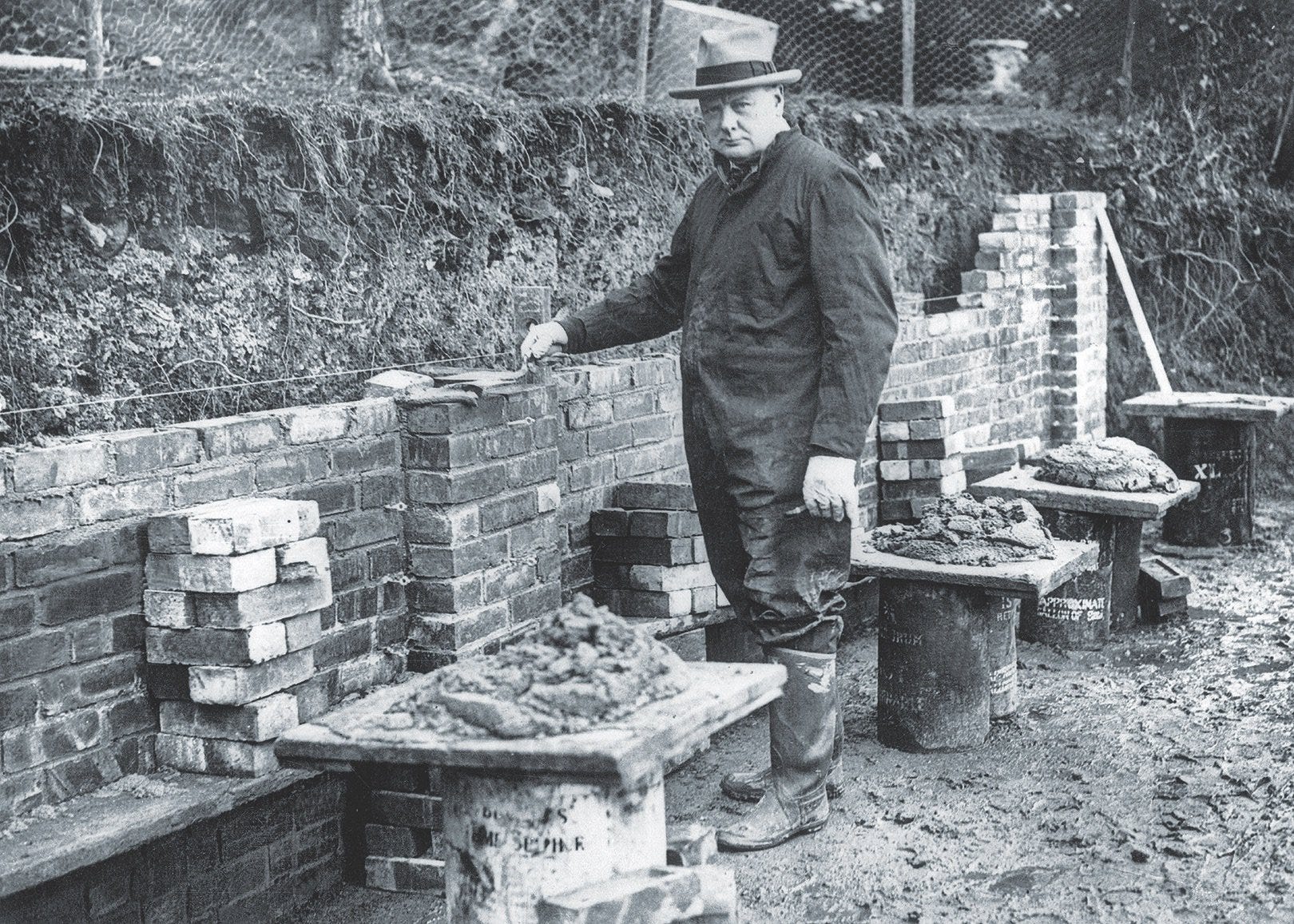
In his wilderness years, Winston Churchill used to lay two hundred bricks per day to give his hands something to do, and keep his depressive mind busy.
As for the case of writing things down, I’ll give you this line from Paul Graham: “Writing converts your ideas from vague to bad. But once they’re written down you can at least see and fix the badness.”
And thinking with the mouth can be explained by two ideas.
- The researcher Nick Cammarata: “Most people I know gain like 20 IQ when advising their friends lives and lose 20 IQ when doing strategy for their own lives.” So, you get the benefit of a smart friend advising you, who has an extra 20 IQ points.
- I’m convinced half the benefit of therapy is hearing your thoughts out loud. You stop talking to yourself and start hearing yourself.
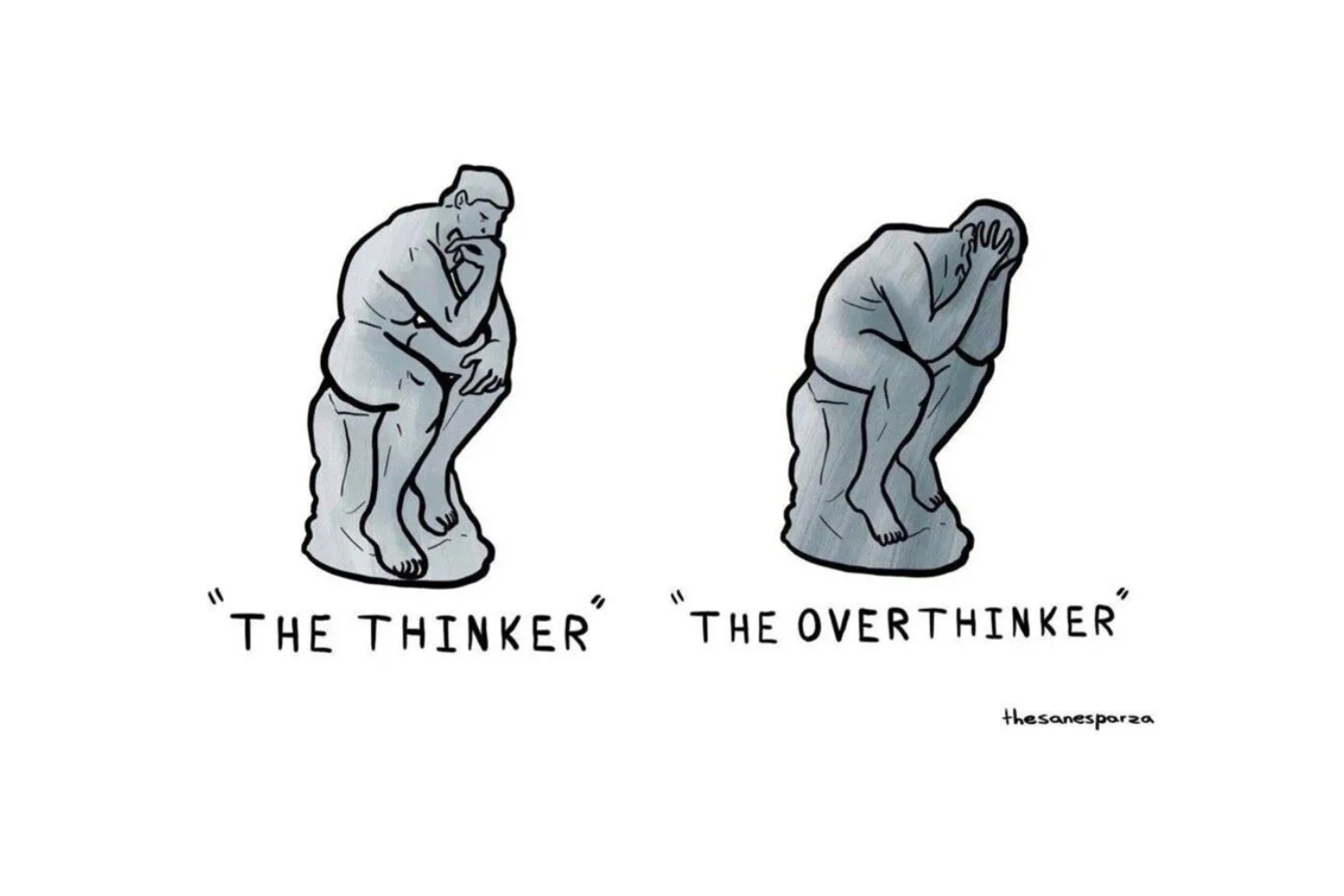
So next time you catch yourself overthinking, remind yourself: Don’t think with your head. Think with your feet, hands and mouth.
Low agency hates a moving target. Rumination hates a moving target. Overthinking hates, hates, hates a moving target.
P.S. “The reading of all good books is like a conversation with the finest minds of past centuries.” - Descartes
Life is too short to read bad books.
I’ve put together the list of my favourite rare books. From an 18th century Russian novel about a man who can’t get out of bed until page 50. Or the book on writing I wish I read 10 years ago.
Get the list here —> highagency.com/books